
Nigeria’s headline inflation rate increased to 15.69 per cent in April 2026, up from 15.38 per cent recorded in March, according to the latest Consumer Price Index report released by the National Bureau of Statistics (NBS).
The rise was driven largely by higher costs of food, transportation, hospitality, healthcare and other essential services across the country. The NBS said the Consumer Price Index rose to 138.3 in April from 135.4 in March, reflecting a 2.9-point increase.
Despite the rise in annual inflation, the pace of monthly price increases slowed. Month-on-month inflation dropped to 2.13 per cent in April from 4.18 per cent recorded in March.
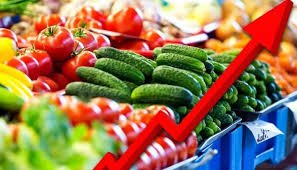
Food and non-alcoholic beverages remained the biggest contributors to inflation, accounting for 6.40 percentage points of the overall figure. Restaurants and accommodation services contributed 3.56 percentage points, while transport accounted for 1.70 percentage points.
The bureau attributed the increase in food inflation to rising prices of staple items including millet, yam flour, fresh ginger, beef, garri, pepper, tomatoes, beans, cassava, potatoes, soybeans and plantain.
Food inflation stood at 16.06 per cent year-on-year in April 2026, while month-on-month food inflation slowed slightly to 3.63 per cent from 4.17 per cent in March.
Urban inflation was recorded at 15.40 per cent year-on-year, while rural inflation was higher at 16.36 per cent. Core inflation, which excludes volatile agricultural produce and energy prices, stood at 15.86 per cent year-on-year.
At the state level, Sokoto recorded the highest all-items inflation rate at 25.74 per cent, followed by Bauchi and Zamfara, while Edo recorded the slowest increase.
The NBS noted that inflation figures vary across states due to differences in consumption patterns and spending behaviour.