

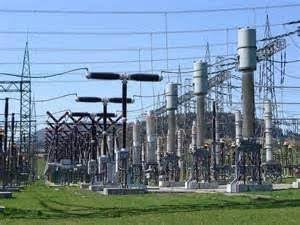
The Nigerian Independent System Operator has attributed recent reductions in electricity allocations to Distribution Companies serving Lagos, Abuja and northern Nigeria to multiple transmission line outages that constrained the national grid.
NISO said the outages required adjustments to generation dispatch and electricity allocations to keep the remaining transmission network within safe operating limits and prevent a wider system disturbance. It stressed that the reductions were caused by transmission constraints, not inadequate electricity generation.
The operator explained that having sufficient generation capacity does not automatically mean electricity can be delivered to a particular location. Power supply also depends on the capacity and availability of transmission infrastructure and the configuration of the network at any given time.
Lagos was particularly affected by successive outages on the Olorunsogo-Ayede, Benin-Egbin and Benin-Omotosho 330kV transmission lines, while the Osogbo-Ikeja West circuit remained out of service for an extended period. The combined outages reduced the amount of electricity that could safely be transferred into Lagos.
NISO consequently reviewed and curtailed allocations to Eko Electricity Distribution Company, Ikeja Electric and the Sakete international supply based on network conditions and system-security requirements. Transmission failures also affected the northern corridor after the Shiroro-Mararaba 330kV Line 1 tripped between August 24 and 26, placing additional pressure on the remaining circuit serving Abuja and the North.
The situation worsened on August 27 when the Shiroro-Mando 330kV Line 2 and Mando-Jos 330kV Line 1 tripped simultaneously. NISO said the resulting constraints affected Jos, the North-East and other areas, forcing it to revise allocations to Kano, Kaduna, Jos, Yola and surrounding locations. Abuja experienced another disruption on August 29 after two transmission circuits tripped simultaneously, although both were restored later that morning.
NISO said the incidents highlighted the vulnerability of Nigeria’s interconnected electricity network, where faults on critical transmission lines can affect supply far beyond the location of the failure. It said temporary measures such as redispatching generation, curtailing load and revising DisCo allocations were necessary whenever available electricity could not be safely transmitted, adding that stronger transmission infrastructure remains essential for converting generation capacity into reliable electricity supply.