

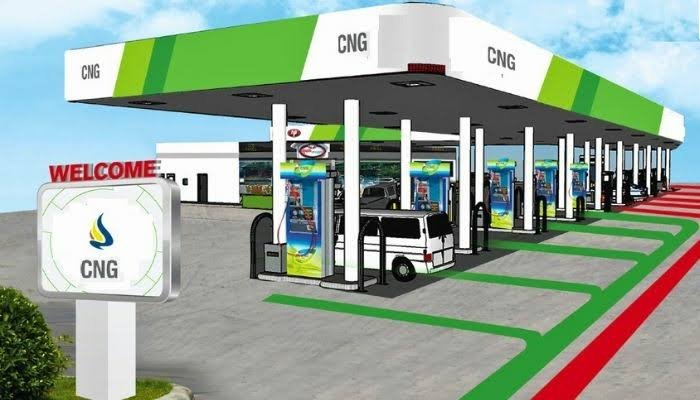
States are adopting different approaches to the Federal Government’s Compressed Natural Gas initiative as President Bola Tinubu targets lower transport costs from October 1, with operators citing infrastructure gaps, conversion costs and refuelling queues.
The Presidency said more than 120,000 vehicles had been converted, with over 400 certified conversion centres and more than 90 CNG refuelling stations nationwide. However, operators in several states said the available facilities remained inadequate to support widespread adoption.
In Lagos, long queues have been reported at some CNG stations, while drivers also complained about conversion costs of between N800,000 and N1m. The National Association of Road Transport Owners said inadequate stations were costing operators time and money but expressed confidence that additional facilities would reduce the queues.
The rollout varies across states. Kaduna operates 100 CNG buses providing free services, while Plateau offers subsidised government buses at N200 for some journeys. In Gombe, Jigawa and Zamfara, operators cited inadequate infrastructure, while Kwara transport leaders blamed low conversion partly on concerns over costs and vehicle maintenance.
Other states are taking different approaches, with Nasarawa planning conversion centres across its three senatorial zones and Benue preparing for vehicle conversions after an awareness campaign. Edo plans to launch more than 50 CNG buses, while Kano is pursuing CNG-powered mass transit alongside electric tricycles.
In Borno, transport operators cited safety concerns and gas costs, although Maiduguri already operates government-owned electric vehicles at fares of between N50 and N100. Bayelsa operators expressed willingness to adopt CNG if conversion costs and availability were addressed, while Rivers plans to return subsidised buses to the roads from October.
The Federal Government has continued investing in CNG infrastructure and financing arrangements to reduce conversion costs. While cheaper energy has already supported lower fares in some locations, operators say conversion, refuelling access, queues, maintenance and other operating expenses remain barriers to nationwide fare reductions as the October 1 deadline approaches.