
The Federal Government says economic reforms introduced since May 2023, particularly the removal of petrol subsidy and unification of foreign exchange rates, have generated N15.8 trillion in savings and helped stabilise Nigeria’s fiscal position.
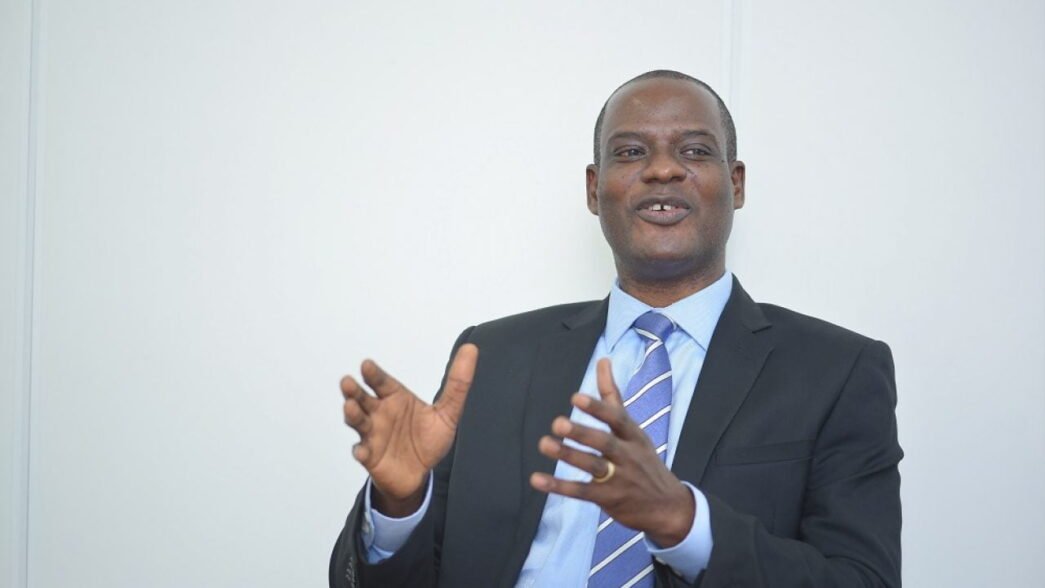
Finance Minister and Coordinating Minister of the Economy, Taiwo Oyedele, said about N10.4 trillion of the savings went to states and local governments, while the Federal Government received N5.4 trillion. He said the additional funds helped subnational governments meet salary and contractor obligations more reliably.
Oyedele said the reforms also generated N3.1 trillion in additional independent revenue and N11.9 trillion through borrowing, bringing incremental resources to N20.4 trillion. The government spent N30.64 trillion on additional expenditure, including N9.39 trillion on wages and allowances, N9.37 trillion on external debt servicing and N6.5 trillion on infrastructure.
He said the reforms came with significant costs, including the Monetary Policy Rate rising from 18.5 per cent in May 2023 to 26.5 per cent and petrol prices increasing from about N185 per litre to between N1,100 and N1,400. However, Oyedele argued that retaining the old policies could have led to worse inflation, debt and economic instability.
The minister said the reforms improved several key economic indicators, with headline inflation falling to 15.91 per cent by June 2026, gross foreign reserves rising to $52.5 billion and net reserves reaching $34.8 billion. Real economic growth also increased to 3.89 per cent, while Nigeria secured an S&P credit-rating upgrade and exited international financial watchlists.
According to Oyedele, the reforms also supported direct interventions, including student loans for more than 1.5 million beneficiaries, cash transfers, subsidised mortgages and agricultural programmes. Public-sector wages and the national minimum wage also increased, while pension payments and arrears improved.
Oyedele acknowledged that poverty, food affordability and household welfare remain major challenges, describing the work as ongoing. He said the next phase of reforms would focus more directly on translating economic stability into tangible household benefits through expanded cash transfers, agricultural interventions, lower inflation and improved accountability.