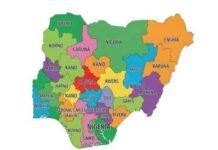


Nigeria’s free trade zones have attracted more than $200bn in foreign investment and over N900bn in domestic investment, while generating more than 100,000 direct jobs and over 500,000 jobs across supply chains, logistics networks and host communities.
The Minister of Industry, Trade and Investment, Jumoke Oduwole, disclosed this during a virtual meeting of Special Economic Zones stakeholders in September, as the Federal Government moves to modernise the regulatory framework governing the zones.
Oduwole said the government was revising the Nigeria Export Processing Zones Authority regulations to reflect changes in business and investment, including the growth of digital operations. The proposed framework would recognise Digital Free Zones and Digital Special Economic Zones.
The minister said the reforms would also modernise corporate and registry provisions, strengthen dispute-resolution mechanisms and clarify the responsibilities of agencies overseeing taxation, customs and zone operations.
Oduwole identified the diversion of goods produced in free zones into the Nigerian Customs Territory while retaining export-related incentives as a major concern. She said the revised framework would reinforce the 75 per cent export and 25 per cent domestic-sales structure and align domestic sales with applicable tax laws.
The new framework would also introduce licence categories such as an Innovator Licence for businesses operating in emerging areas. Digital zones would operate through platforms rather than physical perimeters, allowing technology-driven businesses to participate without conventional physical locations.
NEPZA officials and operators welcomed the reforms but urged the government to protect existing investments and ensure a clear transition. Oduwole said the government would continue supporting lawful incentives while strengthening compliance, with the broader objective of making the zones drivers of non-oil exports and investment.