
President Bola Tinubu’s directive for lower transport fares through Compressed Natural Gas-powered buses has produced mixed results across states, with commuters in several areas reporting unchanged or higher fares after the October 1 target date.
The Federal Government said the date marked the beginning of nationwide monitoring rather than a deadline for all states to reduce fares simultaneously. Presidential CNG and Electric Vehicles Initiative chairman Ismaeel Ahmed said fare reductions had already started on selected routes in states including Kaduna, Borno, Zamfara and Ebonyi.
Some states have introduced subsidised or free services, but their coverage remains limited. Kaduna operates 100 CNG buses across eight routes, while Enugu charges N300 on selected routes. Zamfara has launched 100 electric taxis, and Ebonyi provides free transport for some civil servants and students.
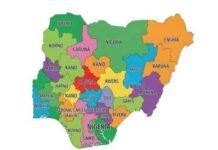
However, checks in several states found that commercial fares remained unchanged. In Anambra, passengers paid N700 from Upper Iweka to Oba and about N2,000 from Awka to Onitsha. Fares also remained high in Delta, Imo, Sokoto, Kebbi, Jigawa, Gombe, Edo, Ondo, Osun, Oyo and Ogun, with transport operators citing fuel, maintenance and spare-parts costs.
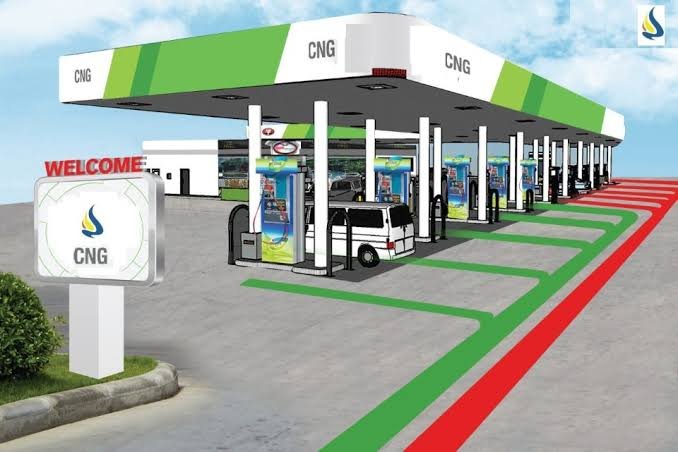
Infrastructure remains another challenge. Operators reported inadequate CNG refuelling facilities and conversion centres, while some states are still waiting for buses promised under the Federal Government programme. In Edo, operators said converted vehicles had not translated into lower fares because of long queues and limited access to gas.
In Plateau, government-supported buses charge N200 compared with more than N500 on some commercial routes, while the state works towards establishing a CNG and hybrid vehicle conversion centre. Ogun, meanwhile, said it would announce additional measures, while Osun said it was awaiting its allocation of CNG buses.
Ahmed said the Federal Government would continue monitoring the rollout and expanding alternative-fuel transport across the country. He acknowledged that the programme had not yet reached every community, but maintained that the objective was to extend cheaper transportation to more routes and high-traffic corridors.