
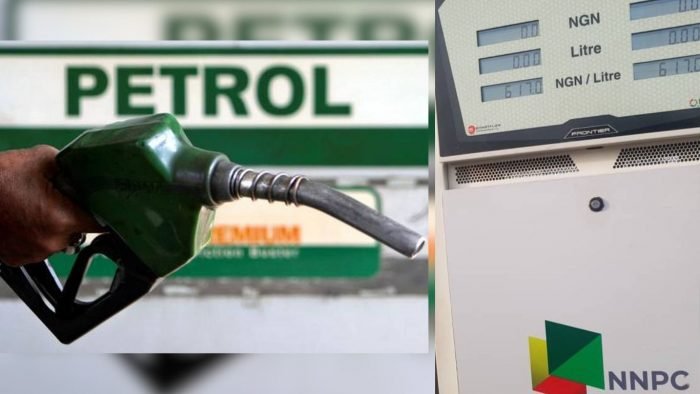
Nigeria’s spending on petrol imports dropped sharply by more than 96 per cent in the first quarter of 2026, reflecting a major shift in the country’s fuel supply landscape and the growing impact of local refining capacity.
Latest foreign trade data released by the National Bureau of Statistics showed that only N87.4bn was spent on the importation of Premium Motor Spirit between January and March 2026, compared to N2.27tn recorded during the same period in 2025. The decline represents a reduction of N2.18tn year-on-year.
The report revealed that petrol, which had consistently ranked among Nigeria’s most imported commodities, was absent from the list of the country’s top traded products during the review period. Instead, crude oil, gas oil, wheat, communication equipment, vehicles and industrial machinery dominated Nigeria’s import and export trade profile.
According to the NBS, the N87.4bn spent on petrol imports is the lowest quarterly figure recorded in at least four years. Historical data showed that Nigeria spent N2.69tn on petrol imports in the first quarter of 2022, N2.03tn in 2023, N3.81tn in 2024 and N2.27tn in 2025 before the dramatic decline recorded this year.
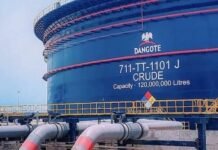
The sharp reduction has been linked to the increasing contribution of domestic refineries, particularly the Dangote Petroleum Refinery, which commenced petrol supply to the Nigerian market in 2024. For decades, Nigeria relied heavily on imported fuel despite being Africa’s largest crude oil producer due to inadequate local refining capacity.
Data from the Nigerian Midstream and Downstream Petroleum Regulatory Authority showed that the Dangote refinery supplied an average of 40.1 million litres of petrol daily in January 2026, accounting for more than 60 per cent of national supply. By February, imported fuel volumes had fallen significantly, with locally refined products accounting for over 90 per cent of the market.
Industry analysts say the collapse in petrol imports signals a major transformation in Nigeria’s downstream petroleum sector. They argue that sustained local refining could improve the country’s trade balance, reduce pressure on foreign exchange reserves and strengthen the naira by cutting dependence on imported fuel.