

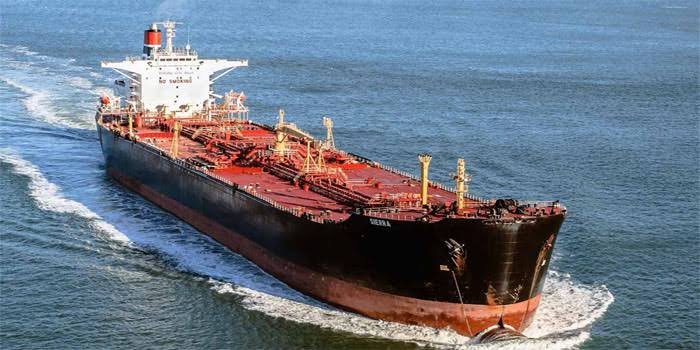
Nigeria spent N952.15bn on imported Premium Motor Spirit in the second quarter of 2026, representing a 989.4 per cent increase from the N87.40bn recorded in the first quarter. The surge occurred despite rising domestic refining output and an intensifying dispute between the Dangote Petroleum Refinery and fuel importers over the continued inflow of foreign petrol.
The National Bureau of Statistics’ Q2 2026 Foreign Trade in Goods Statistics ranked “Motor Spirit Ordinary” as the country’s largest imported commodity during the quarter. The N952.15bn expenditure represented 6.6 per cent of Nigeria’s N14.42tn total import bill, although the figure was still 66.4 per cent lower than the N2.83tn spent on petrol imports in Q2 2025.
The latest increase has fuelled tensions between Dangote Refinery and petroleum marketers over imported products. Dangote has warned that imported PMS accounted for about 43 per cent of fuel supplied to the Nigerian market in July, creating uncertainty over domestic demand and forcing the refinery to consider exporting excess stocks. Marketers, however, have opposed any plan to stop supplying importers and challenged the refinery to provide evidence that imported petrol fails to meet required quality standards.
Despite the sharp increase in import value, data from the Nigerian Midstream and Downstream Petroleum Regulatory Authority indicated that imported petrol volumes actually declined by 17.8 per cent, from an average of 11.23 million litres per day in Q1 to 9.23 million litres per day in Q2. Domestic refinery supply, meanwhile, rose by 10.6 per cent from 34.57 million litres per day to 38.23 million litres per day, increasing local refineries’ share of PMS supply from 75.5 per cent to 80.5 per cent.
The divergence between import value and volume suggests that higher international prices contributed significantly to the increased import bill. The period coincided with disruptions in global oil markets linked to the US-Iran conflict, which pushed crude and refined-product prices higher. At the same time, locally refined petrol remained cheaper than imported fuel, with Major Energies Marketers Association of Nigeria data putting Dangote’s gantry price at N1,265 per litre against an import-parity price of N1,310.64 under the ASPM benchmark.
The price difference has prompted the Independent Petroleum Marketers Association of Nigeria to call for a review of petrol import licences, arguing that imported products were costing more than locally refined fuel. IPMAN National Publicity Secretary, Chinedu Ukadike, said the import licences issued in July had failed to moderate domestic prices and were instead contributing to price volatility, pressure on the naira and weaker competitiveness for local refineries.
Nigeria also exported N546.02bn worth of PMS in Q2, up 20.67 per cent from N452.48bn in Q1. About N416.78bn of the exports went to African markets, including N376.46bn to West Africa. However, with petrol imports valued at N952.15bn during the quarter, Nigeria recorded a PMS trade deficit of about N406.12bn in value terms, highlighting the continuing contradiction of importing petrol while exporting locally refined products.