
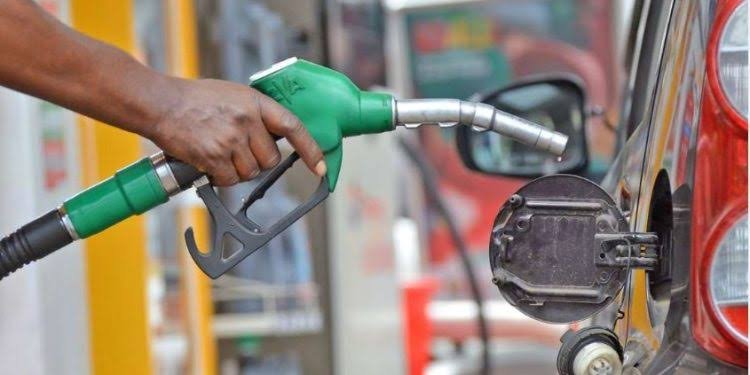
The Federal Government has urged petroleum marketers to reduce petrol prices in line with declining global crude oil prices, warning that consumers should not continue to pay inflated rates under a deregulated market. The directive was issued during a stakeholders’ meeting convened by the Nigerian Midstream and Downstream Petroleum Regulatory Authority (NMDPRA) in Abuja.
The meeting brought together key players in the downstream sector, including the Dangote Petroleum Refinery, the Independent Petroleum Marketers Association of Nigeria (IPMAN), MEMAN, PETROAN, DAPPMAN, NARTO and regulators, to address what the government described as the growing gap between falling crude oil prices and persistently high pump prices.
Minister of State for Petroleum Resources (Oil), Heineken Lokpobiri, said marketers could no longer justify high petrol prices based on old inventories purchased when crude prices were significantly higher. He argued that as new supplies are procured at lower costs, the savings should be reflected in retail prices, adding that sustained high fuel prices risk worsening inflation and undermining economic recovery.
IPMAN President, Abubakar Maigandi, said independent marketers were prepared to reduce pump prices even below ₦800 per litre if market conditions improved further. He disclosed that marketers had already cut prices by about ₦125 per litre nationwide and called on the Federal Government to restore import licences for independent marketers while allowing them to buy products directly from the Dangote refinery to encourage competition and lower prices.
Lokpobiri acknowledged that factors such as exchange rates, logistics and distribution costs influence pricing but maintained that current pump prices do not reflect prevailing international crude prices. According to him, crude oil has fallen from over $118 per barrel during the peak of Middle East tensions to around $71 per barrel, yet domestic petrol prices remain disproportionately high.
NMDPRA Chief Executive, Rabiu Umar, said the regulator had begun engaging operators to ensure lower replacement costs are passed on to consumers. He stressed that deregulation should promote efficiency and competition rather than excessive pricing, adding that the agency would strengthen market monitoring and accelerate plans for a National Strategic Stock to cushion future price shocks.
The government expressed optimism that continued engagement with operators would result in further reductions in petrol prices, just as similar consultations recently contributed to lower liquefied petroleum gas prices. The outcome of the discussions is expected to shape the next phase of competition in Nigeria’s downstream petroleum market.