
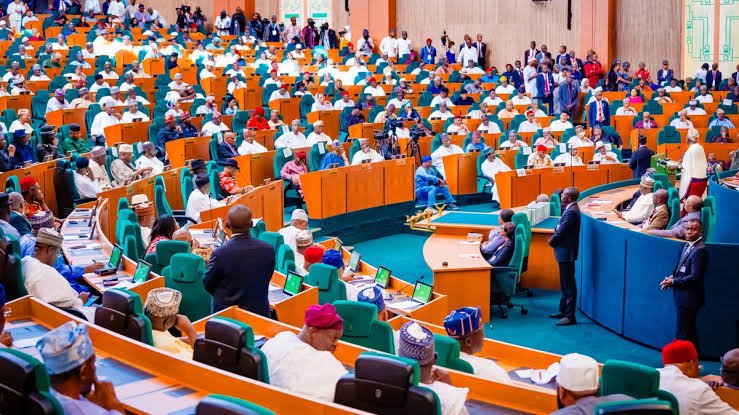
The House of Representatives has resolved to investigate 22 states over irregular pension payments and urged the Federal Government to prevail on state governments to clear outstanding retirement benefits.
The lawmakers expressed concern that thousands of elderly retirees were facing hunger, poverty and other hardships because of unpaid entitlements.
The resolutions followed a motion of urgent public importance sponsored by Adesola Adebayo, representing Apapa Federal Constituency, Lagos State. Adebayo cited a report indicating that only 14 of the 36 states paid pensions regularly, while the remaining 22 owed retirees several months or years of benefits.
He described pensions as an earned right rather than a privilege, arguing that workers who had served for 30 to 35 years deserved to receive their entitlements without hardship. He also raised concerns about elderly pensioners struggling to afford food, medication and rent, as well as those forced to endure lengthy verification exercises under harsh weather conditions.
The motion generated disagreements over whether the National Assembly had the constitutional authority to intervene in pension matters involving state governments.
Mark Esset of Akwa Ibom argued that state pension obligations fell within the jurisdiction of state governments and their legislatures, while Dominic Okafor of Anambra cautioned against treating all states alike, saying Anambra had cleared its pension liabilities.
However, other lawmakers urged the House to proceed with the motion. Billy Osawaru of Edo proposed removing provisions outside the National Assembly’s jurisdiction, while Zainab Gimba cited Section 210 of the Constitution, which protects pension rights in the state public service. House Leader Julius Ihonvbere also argued that lawmakers could investigate and make recommendations without taking over the responsibilities of state governments.
Deputy Speaker Benjamin Kalu directed members to examine the mandate of the Committee on Pensions, which includes investigating failures by employers to meet pension obligations and recommending measures for timely payments.
The House subsequently adopted the motion unanimously and called on the Federal Government, through the Office of the Secretary to the Government of the Federation, to urge states to prioritise pension payments.
The House also mandated its Committee on Pensions to engage the National Pension Commission and state governments to identify the causes of delayed payments, assess outstanding liabilities and recommend solutions.
The investigation will examine the challenges facing affected states, while Section 210 of the 1999 Constitution guarantees pension and gratuity entitlements to state public servants.