
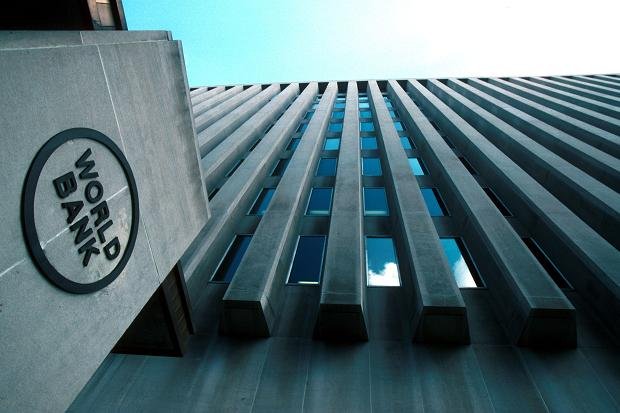
The World Bank says Nigerian states recorded a 93 per cent increase in real revenue between 2023 and 2025, following Federal Government economic reforms. In its latest Nigeria Development Update, the bank attributed the growth to higher statutory allocations, Value Added Tax collections, debt repayments, refunds and special intervention funds. Gross federation revenue also increased by 69 per cent in real terms.
State governments increased spending by about 92 per cent over the period, with more money directed towards infrastructure. Capital expenditure accounted for 61 per cent of state budgets in 2025, compared with 46 per cent before the reforms. Transport received the largest increase among infrastructure sectors, while housing and agriculture also attracted more funding.
However, the bank raised concerns about spending priorities in education. Although states increased education expenditure in naira terms, its share of total spending declined from 14.9 per cent in 2021 to 12.1 per cent in 2025. Health spending remained around seven per cent, while social protection’s share rose from 1.4 per cent to 4.4 per cent.
World Bank Country Director for Nigeria, Mathew Verghis, said the additional revenue presented an opportunity for states to improve infrastructure and essential services, including education, healthcare and water supply. He stressed that stronger accountability, efficient spending and improved service delivery would be necessary to ensure that increased public revenue translates into better living conditions. The bank also noted that states were improving internally generated revenue.
Nigeria’s economy grew by 4.2 per cent in the first half of 2026, compared with 3.9 per cent in the corresponding period of 2025. The World Bank projects annual growth of 4.3 per cent in 2026 and 4.4 per cent in both 2027 and 2028. It also forecasts inflation falling from 23 per cent in 2025 to 15.7 per cent in 2026 and 12.2 per cent by 2028, although higher fuel prices and seasonal food costs have slowed the decline.
The country’s external position also improved, with gross external reserves exceeding $54 billion in September, supported largely by foreign portfolio inflows. Nigeria’s current account surplus reached $12 billion, equivalent to 7.1 per cent of gross domestic product, in the first half of 2026, up from $8.6 billion during the same period in 2025. Higher global oil prices contributed to increased foreign exchange inflows and government revenue.
Business activity also showed signs of expansion, with Nigeria recording 4.43 per cent year-on-year growth in the second quarter of 2026. A Stanbic IBTC Bank survey placed the country’s business activity index at 54.3 in August, above Kenya’s 49.7 and South Africa’s 50.5. The World Bank said the figures indicated stronger business confidence and continued growth in non-oil activities.
Despite the improvements, the bank warned that high fuel prices continued to place a disproportionate burden on low-income households and could slow poverty reduction. It also highlighted risks from falling oil prices, volatile investor flows, disruptions to oil production and increased government spending ahead of the 2027 elections. The bank urged continued reforms and targeted support for vulnerable households to sustain economic progress.