
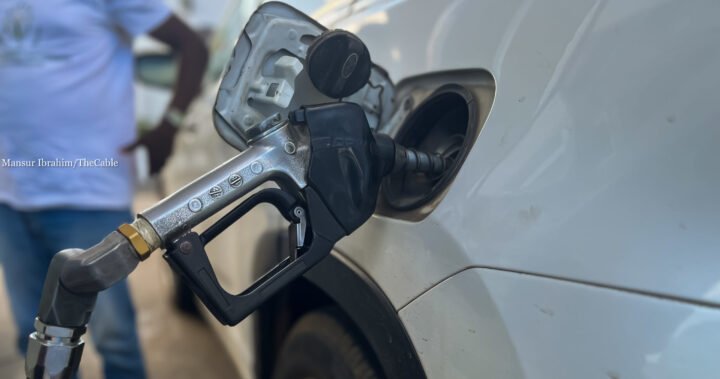
The Federal Government has insisted that the petrol discount introduced by the Nigerian National Petroleum Company Limited’s retail arm is not a return of fuel subsidy, saying no public funds are being used to reduce pump prices. The government said the discount would be financed by NNPC Retail Limited through a reduction in its retail profit margin.
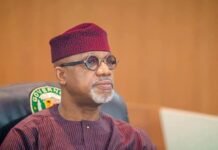
Minister of Finance and Coordinating Minister of the Economy, Taiwo Oyedele, stated this in a statement issued by the Federal Ministry of Finance in Abuja on Friday. He explained that NNPC Retail would temporarily reduce or forgo its profit margin and pass the savings to customers.
The clarification followed an announcement by the Presidency that NNPC Retail would sell petrol at cost to cushion households against rising global oil prices. The administration said the arrangement, backed by President Bola Tinubu, was different from the fuel subsidy removed in 2023, which involved government spending public revenue to reduce petrol prices.
Oyedele explained that NNPC Retail buys petrol from the Dangote Refinery and other suppliers at market prices before adding its retail margin. Under the discount arrangement, the company would reduce that margin without receiving payments from the federal budget or the Federation Account. He added that selling crude oil below market prices could amount to a subsidy if public revenue covered the resulting shortfall.
The minister argued that the temporary reduction in retail margins could benefit both consumers and the government. He said increased sales volumes and customer loyalty could offset the lower profit earned per litre, potentially supporting NNPC Retail’s overall profits and dividends paid to the Federation.
Addressing concerns about petrol smuggling, Oyedele said the retail margin accounts for less than five per cent of the pump price. He argued that reducing the margin would not significantly widen the price difference between Nigeria and neighbouring countries, where petrol costs between 20 and 40 per cent more. He maintained that the discount would not create the same smuggling incentives associated with previous subsidy arrangements.
Oyedele added that other measures to ease fuel costs include expanding compressed natural gas use in transportation, waiving taxes and duties on petrol, and removing illegal levies that increase transport expenses. He said the measures were designed to provide relief to Nigerians without returning the country to a subsidy system the government considers financially unsustainable.