

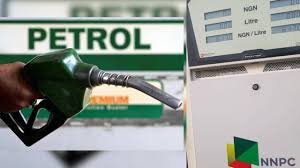
Hopes of a drop in petrol prices in Nigeria have dimmed following Iran’s decision to reclose the Strait of Hormuz, a critical global oil transit route.
The strait had briefly reopened after a ceasefire between Iran and the United States, raising expectations among fuel marketers that petrol prices could fall significantly—from about ₦1,250 to around ₦900 per litre.
However, the optimism was short-lived as Iran shut the route again less than 24 hours later, citing ongoing tensions and a blockade of its ports by the United States.
The Strait of Hormuz handles roughly 20 per cent of global oil trade, making any disruption a major factor in international oil prices and, by extension, domestic fuel costs in import-dependent countries like Nigeria.
Industry stakeholders say the latest development has stalled earlier projections of a price reduction, with marketers now indicating that current fuel prices are likely to remain unchanged until there is a more stable resolution to the conflict.
Despite the renewed tensions, global oil prices have not spiked dramatically, with Brent crude hovering around $90 per barrel—only a slight increase from previous levels.
Meanwhile, U.S. President Donald Trump has accused Iran of violating the ceasefire agreement and warned of possible military action if tensions persist, further complicating the outlook for global oil supply and pricing.
Analysts say until there is a lasting diplomatic resolution, uncertainty in the oil market will continue to impact fuel pricing, delaying any immediate relief for Nigerian consumers.