
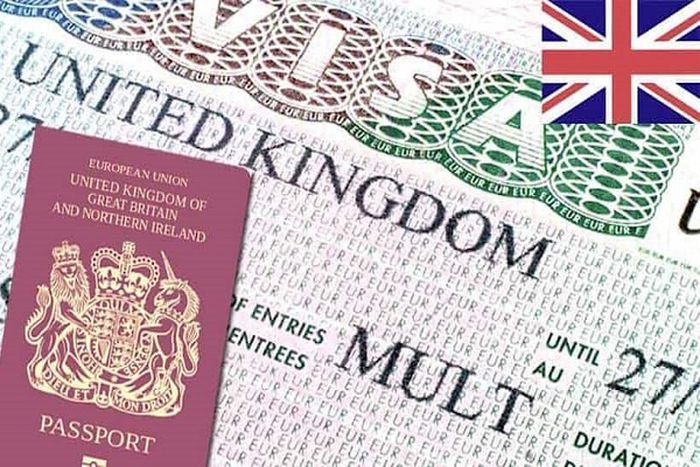
Several African and Caribbean nations, including Nigeria and Jamaica, could face visa restrictions to the United Kingdom if Reform UK wins the next general election. The proposed policy specifically targets countries that have formally requested reparations for slavery, sparking concern among diplomats and civil society groups.
Home Affairs spokesman Zia Yusuf defended the plan, stating that a growing number of countries are seeking reparations while continuing to benefit from UK visas and foreign aid. “Astonishingly, these countries have received 3.8 million visas and £6.6 billion in foreign aid over the past 20 years. Enough is enough,” he said, framing the policy as a response to what Reform UK views as excessive demands.
Nations mentioned in the proposed restrictions include Nigeria, Jamaica, Kenya, Haiti, Guyana, Barbados, and The Bahamas. The announcement comes weeks after a United Nations vote calling on former colonial powers to pay reparations for slavery, describing the forced displacement of Africans as one of the “gravest crimes against humanity.” Britain abstained from the vote.
Reform UK leader Nigel Farage criticised the UN resolution, calling it illegitimate and framing reparations demands as a financial burden on the country. The party has also pledged to cap foreign aid spending at £1 billion annually, representing a 90% reduction from current levels, if it comes into power.
The UK Foreign Office reiterated that the country acknowledges the horrors of the transatlantic slave trade but maintains its position of not paying reparations. Opposition leader Keir Starmer similarly ruled out any formal apology or payments, focusing instead on forward-looking diplomatic engagement.
Historically, millions of Africans were torn from their homes, sold into slavery, and dispersed across the Americas and Europe. Modern calls for reparations, led by Ghana and supported by many African and Caribbean nations, aim to address historical injustices through formal apologies, restitution of cultural property, and dialogue on justice and reconciliation.
The UN General Assembly’s recent resolution, supported by 123 countries with 3 votes against and 52 abstentions, highlights the growing global focus on reparatory justice. Nations actively seeking reparations include Ghana, the Caribbean Community (CARICOM), the African Union, Antigua and Barbuda, Guyana, and Haiti. The Reform UK proposal signals a potential tightening of visa policies for these countries, raising diplomatic and political tensions.