
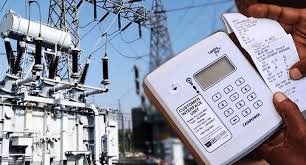
Large parts of Lagos and its environs were thrown into darkness over the weekend and during the Eid-el-Fitr celebrations following a sharp drop in electricity supply across the country.
Data from the Nigerian Independent System Operator (NISO) showed that 10 electricity distribution companies (DisCos), including Eko Distribution Company (EKEDC) and Ikeja Electric (IE), received zero megawatts of electricity allocation as of 19:22 hours.
Only the Abuja Electricity Distribution Company (AEDC) received supply, with 509 megawatts allocated within the same period, highlighting the uneven distribution of available power.
According to NISO’s generation profile, total electricity output rose slightly to 1,861.49MW at 18:00 hours from 1,579.50MW recorded an hour earlier, but this remains significantly below the country’s energy demand.
The Electricity Consumer Protection Advocacy Centre (ECPAC) described the development as a reflection of deeper structural challenges within Nigeria’s electricity sector, warning that the situation continues to worsen.
ECPAC Executive Director, Princewill Okorie, criticised the system, alleging weak regulatory enforcement and accusing distribution companies of operating with little accountability despite poor service delivery.
A source within NISO attributed the zero allocation to efforts to stabilise the national grid, explaining that generation had to be reduced to manage fluctuations and prevent a total system collapse.
Industry data also shows that many gas-fired power plants are operating below 20 per cent of their installed capacity, while a February 2026 report by the Nigerian Electricity Regulatory Commission (NERC) indicates that generating companies are dispatching only about 32 per cent of their capacity.
Operators say a debt burden exceeding N6.2 trillion owed to generation companies has further constrained output, leaving the system increasingly dependent on hydroelectric power, which remains insufficient to meet national demand.