
At least 21,807 foreign refugees and asylum seekers fleeing violence in neighbouring countries remain unregistered in Nigeria, denying them access to food assistance, healthcare, and other essential services, the United Nations has revealed.
The figures, contained in the November 2025 UNHCR dashboard, show that Nigeria currently hosts 127,000 refugees and asylum seekers from 41 countries. This includes 21,807 awaiting registration by the National Commission for Refugees, Migrants, and Internally Displaced Persons (NCFRMI), alongside 80,915 recognised refugees and over 25,000 asylum seekers whose cases are being processed.
The backlog has fluctuated over the past year, rising from 21,095 in December 2024 to a peak of 32,750 in June 2025 before declining to 21,807 by November. Staffing shortages, security restrictions, and logistical challenges in states such as Borno, Adamawa, and Cross River have slowed registration.
Cameroonians make up the largest share of Nigeria’s refugee population, accounting for 86 percent, primarily fleeing the Anglophone crisis in Cameroon’s North-West and South-West regions.
Smaller populations come from Niger, the Central African Republic, Syria, and the Democratic Republic of Congo. Women and girls represent just over half of all refugees, while children make up nearly 60 percent.
Most refugees live in host communities across Cross River, Taraba, Akwa Ibom, Benue, and Adamawa, with urban centres such as Lagos, Abuja, and Kano also hosting diverse groups, some of whom have been in Nigeria for over a decade.
Nigeria’s open-door policy and adherence to the 1951 Geneva Convention and the 1969 Organisation of African Unity Convention require the country to grant asylum to individuals fleeing persecution.
The NCFRMI, in collaboration with the Nigerian Immigration Service and UNHCR, is responsible for registering asylum seekers and conducting Refugee Status Determination procedures, which can take three to six months. Registered refugees receive identity cards granting access to work permits, school enrolment, and freedom of movement beyond designated settlements.
During mass influxes, group recognition may be applied. For example, in 2024, the government granted 86,000 Cameroonian refugees Temporary Protection Status valid through June 2027, while 20,000 Nigeriens in Damasak received prima facie recognition.
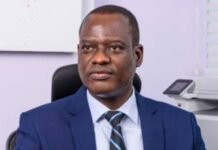
Former Nigerian Ambassador to Singapore, Ogbole Amedu-Ode, emphasised that Nigeria must fulfil its international obligations but also remain vigilant against potential security threats.
The registration backlog comes as Nigeria faces a broader displacement crisis. The country hosts 3.5 million internally displaced persons in the North-East due to Boko Haram and ISWAP insurgencies. Severe floods in 2024 affected over 480,000 people across 34 states, further straining resources.
Meanwhile, nearly 408,000 Nigerian refugees remain registered in neighbouring countries such as Cameroon, Niger, and Chad. In 2025, the UNHCR facilitated the return of 26,473 Nigerian refugees through voluntary repatriation programmes.
Nigeria’s refugee response is coordinated through a Refugee Response Plan involving government agencies, UN bodies, international NGOs, and civil society organisations.