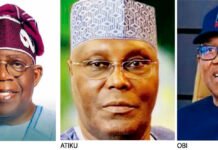

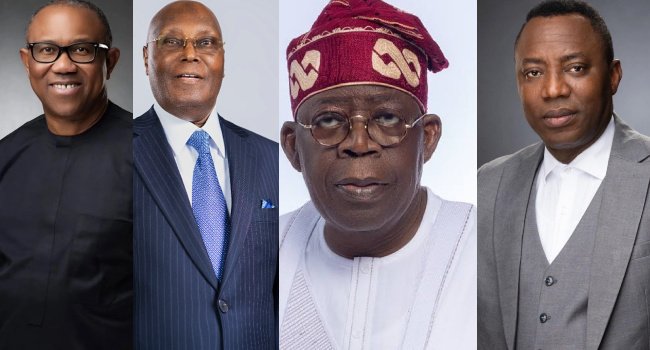
No fewer than 146 presidential and governorship candidates could collectively spend up to N571 billion on campaigns for the 2027 elections under the limits prescribed by the Electoral Act 2026. The figure represents the maximum legal expenditure permitted, not the amount candidates are guaranteed to receive or actually spend.
The 19 presidential candidates have a combined campaign spending ceiling of N190 billion, as each is allowed to spend up to N10 billion. Meanwhile, 127 governorship candidates across 28 states could collectively spend up to N381 billion, with each candidate permitted to spend a maximum of N3 billion.
INEC has published the particulars and credentials of the 19 presidential candidates and their running mates, while campaigns for the presidential and National Assembly elections commenced on August 19. The presidential election is scheduled for January 16, 2027, while governorship and State House of Assembly elections will hold on February 6.
Under the new Electoral Act, spending limits have also been raised for other elective positions. Senatorial candidates may spend up to N500 million, House of Representatives candidates N250 million, and State House of Assembly candidates N100 million. Individual donors are limited to contributions of N500 million to a single candidate.
Candidates who knowingly exceed the prescribed limits risk a fine equivalent to one per cent of the permitted expenditure, up to 12 months’ imprisonment, or both. INEC said monitoring campaign finance remains its statutory responsibility, with anti-graft agencies expected to support enforcement, although there is no reported case of a politician being successfully prosecuted for exceeding campaign spending limits.
Civil society groups expressed concerns about whether the new limits could be effectively monitored and enforced. They called for stronger collaboration among INEC, anti-corruption agencies, the media and civil society to track campaign costs, while some advocated tougher penalties, including disqualification or sanctions against political parties and candidates that violate the rules.
Meanwhile, the National Broadcasting Commission warned broadcasters, online publishers, bloggers and social media commentators against spreading misinformation, hate speech and divisive content during the electioneering period. It directed media organisations to ensure fair and balanced coverage, verify political claims, distinguish advertisements from editorial content and avoid broadcasting unofficial election results or projections.