
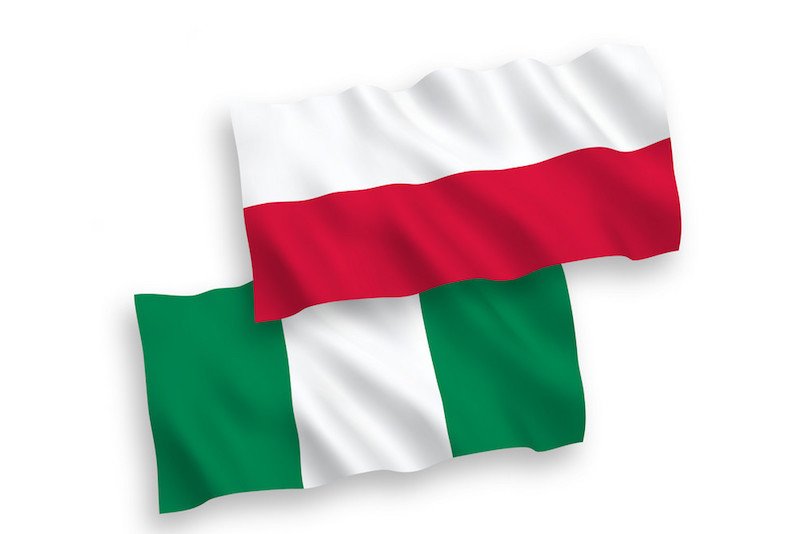
Poland has signalled renewed interest in strengthening diplomatic and economic ties with Nigeria, describing the long-standing relationship between both countries as friendly but underutilised.
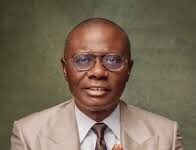
The Ambassador of Poland to Nigeria, Michal Cygan, made the position known at an Ambassadorial Forum hosted by the Nigerian Institute of International Affairs in Lagos, where he addressed diplomats, academics and policy experts.
Cygan noted that although Nigeria and Poland established diplomatic relations in 1962, cooperation has not been as intensive as it could be. He said his ambition is to reposition the relationship into a more strategic and mutually beneficial partnership.
Tracing historical ties to the Cold War era, the envoy recalled that despite being part of the Eastern Bloc at the time, Poland supported African liberation movements and the push for self-determination. He described that legacy as a positive foundation for deeper engagement with African countries.
Reflecting on Poland’s post-1989 transformation from a centrally planned system to a market-driven democracy, Cygan said the reform process was difficult but ultimately rewarding. He cited Poland’s current economic standing, including a strong agro-export surplus, as evidence of the gains from sustained structural reforms.
He also highlighted Poland’s accession to the European Union as a major turning point that strengthened its institutions and expanded opportunities for global partnerships, including collaboration with African nations such as Nigeria.
The ambassador noted growing educational exchanges, revealing that more than 4,000 Nigerian students are currently studying in Poland. He described this as a key driver of people-to-people connections and cultural understanding between both countries.
Cygan called for expanded cooperation in trade, technology, diplomacy and intercultural exchange, stressing that shared democratic values and market-oriented systems provide a solid platform for a more robust and forward-looking Nigeria–Poland partnership.