

Nigeria is beginning to record early gains from a series of economic reforms introduced by President Bola Ahmed Tinubu’s administration, with officials pointing to improving stability and renewed investor interest.
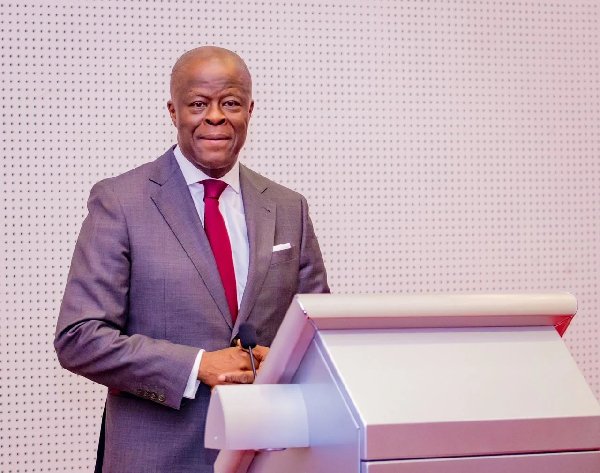
Speaking during the Spring Meetings of the World Bank and the International Monetary Fund in Washington, D.C., Minister of Finance and Coordinating Minister of the Economy, Wale Edun, said the government’s policy direction reflects a shift from short-term fixes to long-term structural reforms.
He explained that the reforms are designed to build resilience and position the economy for sustained growth, especially amid global uncertainties such as tightening financial conditions, trade disruptions, and export challenges.
Edun highlighted key policy moves, including foreign exchange reforms and the removal of fuel subsidies, noting that they are gradually correcting longstanding imbalances and strengthening the economy’s response to external shocks.
While acknowledging that inflation remains a concern—driven by energy costs, food supply issues, and transportation—he said the government is implementing targeted support measures for vulnerable Nigerians and boosting agricultural production to ease pressure.
The minister added that fiscal discipline has improved, with more efficient allocation of resources following the end of subsidy payments, while economic growth has risen above four per cent and external reserves are approaching $50 billion.
He also pointed to signs of renewed investor confidence, citing major projects like the Dangote Refinery and increased activity among small and medium-sized enterprises benefiting from reforms to the business environment.
Central Bank of Nigeria Governor, Olayemi Cardoso, said monetary authorities remain aligned with the reform agenda, noting that improved exchange rate stability and stronger reserves have helped Nigeria navigate global economic pressures, while bank recapitalisation efforts have attracted significant investor interest.