

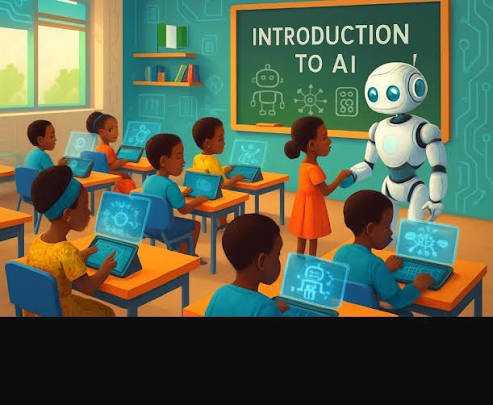
Governors and education stakeholders have urged Nigerian teachers to embrace artificial intelligence as a tool for improving teaching rather than viewing it as a threat to their jobs.
The call was made at the 59th National Conference of Delegates of the Nigeria Union of Teachers in Enugu, themed, “The Deployment of Technology and Artificial Intelligence in Education Will Erode the Place of Teachers in the Classroom: A Myth or Reality?” Enugu State Governor Peter Mbah said AI could support lesson preparation, personalised learning and identification of students’ learning gaps.
Mbah said technology could not replace the human qualities required in teaching, arguing that the future of education should involve teachers working alongside technology. He also called for ethical guidelines, data protection and continuous training as AI becomes more integrated into classrooms.
The governor said Enugu had committed more than 33 per cent of its budget to education across three budget cycles, recruited 6,850 teachers and other personnel, and was developing Smart Green Schools across its 260 wards.
Keynote speaker Prof Steve Nwokeocha of the African Federation of Teaching Regulatory Authorities said teachers needed to respond to technological changes through adaptation and professional development. He argued that teachers who effectively use digital tools would be better positioned as technology transforms education.
Kebbi State Governor Nasir Idris, a former NUT national president, said his administration had employed more than 5,000 professionals into the permanent civil service and built, renovated or furnished over 2,000 schools. He also said teachers’ years of service had been extended from 35 to 40 years.
UBEC Executive Secretary Dr Aisha Garba said technology should complement teachers, noting that the commission had established 37 Smart Model Schools and 74 Digital Learning Centres. NUT President Audu Titus Amba, however, called for greater funding, improved welfare and stronger security, citing poor pay, teacher shortages, inadequate infrastructure, insecurity and the digital divide among the sector’s major challenges.