
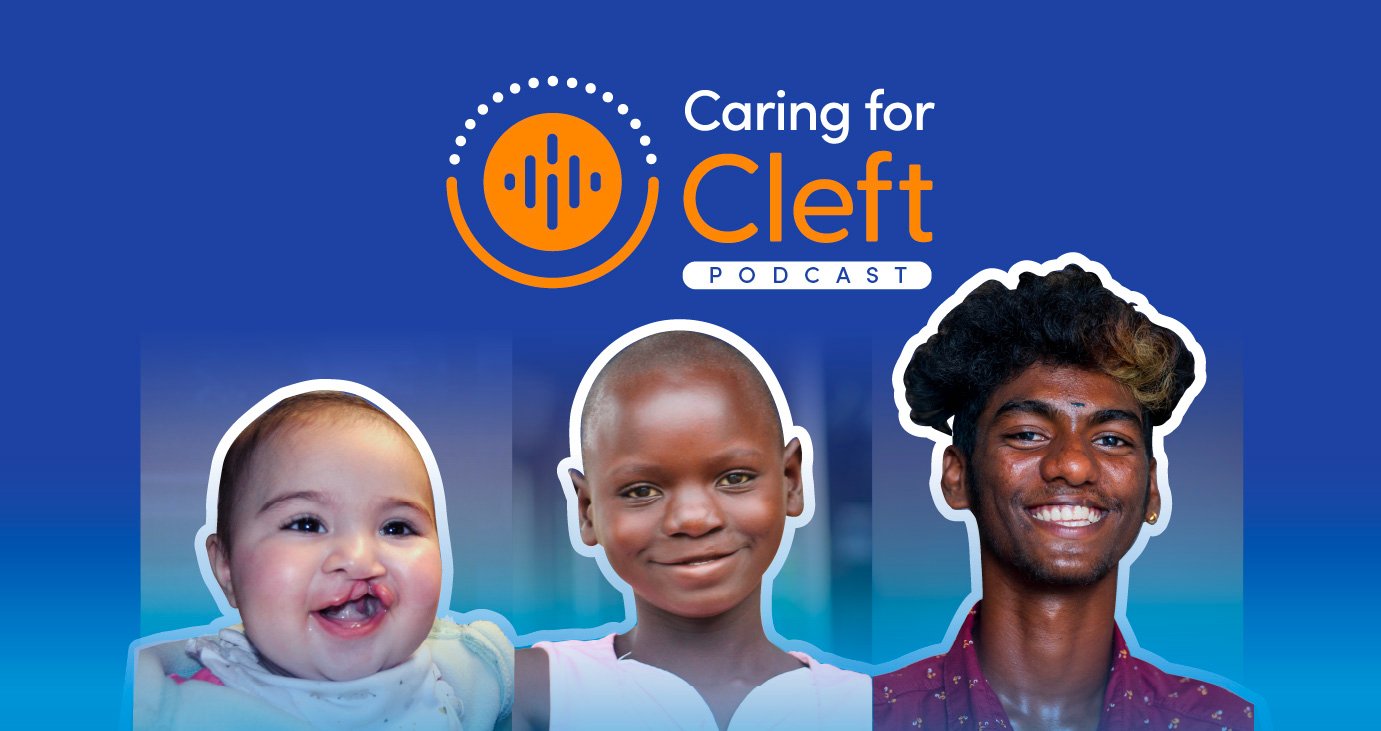
The Federal Government and cleft-care experts across Africa have called for stronger and sustainable systems to provide comprehensive care for children with cleft lip and palate.
The call was made on Tuesday at the 6th Pan-African Association for Cleft Lip and Palate Scientific Conference in Abuja, where experts stressed the need to integrate cleft services into national health systems.
Minister of State for Health and Social Welfare, Dr Adekunle Salako, said the Federal Government was committed to improving cleft care through stronger financing, early detection, specialist training, referral services and better data collection.
Salako said cleft conditions affected about one in every 700 births globally, while Nigerian treatment centres estimate a local prevalence of about 0.5 per 1,000 births, translating to at least 3,700 affected children annually.
Represented by the ministry’s Director of Hospital Services, Dr Abisola Adegoke, he said the government had supported specialist training, surgical equipment, perioperative care and the development of a national cleft surgery e-registry. He added that health financing reforms had increased insurance coverage from 16.2 million people at the end of 2023 to more than 23 million.
President of the Nigerian Association for Cleft Lip and Palate, Dr Seidu Bello, called for oral health to be integrated into primary healthcare and insurance coverage. He proposed equipping at least one primary healthcare centre in each of the 774 local government areas with community dental clinics to provide basic care, early detection and referrals.
Global surgery expert Dr Felicity Mehendale and Smile Train CEO Dr Susannah Schaefer also urged African countries to move beyond surgery to include nutrition, hearing, speech, dental and psychosocial care. PAACLIP President, Prof Adeola Olusanya, said the association aimed to ensure that every African child with cleft lip and palate received quality, prompt and comprehensive treatment from qualified professionals.