

Nigerian banks are closing in on what could become a N6 trillion capital raise as the March 31, 2026 deadline for the Central Bank of Nigeria’s recapitalisation programme approaches. Industry sources say more than N1.5 trillion in additional deals are still in the pipeline, with many expected to be finalised before the window shuts.
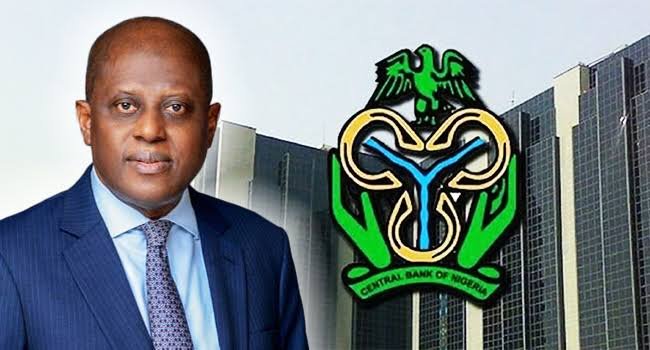
The Governor of the Central Bank of Nigeria, Mr. Olayemi Cardoso, disclosed after the latest Monetary Policy Committee meeting that verified and approved capital raised by banks had reached N4.05 trillion as of February 19, 2026. Of that amount, N2.90 trillion came from domestic investors, while $706.84 million—equivalent to about N1.15 trillion—was sourced from foreign investors.
Cardoso confirmed that 20 banks have fully met the new minimum capital requirements, while 13 others are at advanced stages of completing their fundraising. With no pending approvals for public offers, many lenders are relying on private placements and strategic equity injections from institutional and high-net-worth investors to meet the threshold.
Investment banking sources indicate that several banks are adopting a “close and tender” strategy, leveraging prior shareholder resolutions that permit flexible fundraising routes. The funds raised must undergo verification by a tripartite committee comprising the Central Bank, the Securities and Exchange Commission and the Nigeria Deposit Insurance Corporation before final approval and capital recognition.
The apex bank, however, signalled flexibility for institutions under regulatory intervention, including Polaris Bank, Union Bank and Keystone Bank. Cardoso noted that legal and structural complexities surrounding these banks may require a different timeline, assuring depositors that their funds remain secure and that the institutions continue to operate under strict regulatory oversight.
Experts have broadly supported the CBN’s measured approach, arguing that an orderly resolution is preferable to abrupt liquidation. Under the revised capital regime announced in March 2024, commercial banks with international licences are required to hold a minimum of N500 billion in capital, national banks N200 billion, and regional banks N50 billion, with varying thresholds for merchant and non-interest banks.
The recapitalisation, based on share capital and share premium rather than total shareholders’ funds, is designed to strengthen the banking system and enhance financial stability ahead of future economic expansion.