
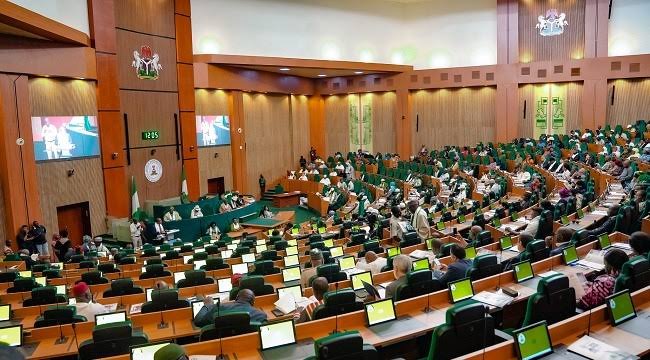
The House of Representatives has proposed establishing a National Public Assets Management Commission to oversee the registration, valuation, management and disposal of Federal Government assets held by ministries, agencies and government-owned enterprises.
The proposed legislation, sponsored by Lagos lawmakers Ademorin Kuye and Lanre Okunlola, seeks to improve accountability by creating a central database of public assets. It would also require government institutions to disclose existing debts and obtain the commission’s approval before selling, leasing or transferring public property.
Under the bill, the commission would maintain a National Public Assets Register containing information on asset ownership, location, acquisition costs, current value, condition, maintenance history, revenue and outstanding financial obligations. Existing institutions would have 12 months to submit their asset inventories, while newly acquired assets would have to be registered within 90 days.
The proposed commission would have the power to inspect government records, demand asset inventories, issue directives and refer persistent violations to the President and the National Assembly. Non-sensitive information would be accessible to the public through an online portal, while an annual report would disclose the total value of federal assets and their financial obligations.
The bill also proposes stricter conditions for asset sales, leases and concessions, including independent valuation, competitive bidding and value-for-money assessments. Public assets would not be sold below their independently assessed market value unless the law permits an exception, while material contract terms would be disclosed publicly, subject to legal restrictions.
To prevent the unauthorised removal and undervaluation of government property, the legislation proposes rules for scrapping obsolete equipment and machinery.
Assets would require technical assessments and independent valuation before disposal, while scrap movements would need official certificates. Individuals convicted of stealing public assets could face fines of at least three times their assessed value or imprisonment, while corporate bodies could face fines of at least five times the value.
The proposed commission would also maintain a register of recovered assets held by institutions including the Economic and Financial Crimes Commission, the Independent Corrupt Practices and Other Related Offences Commission and the Asset Management Corporation of Nigeria.
The bill provides for penalties for concealment, false declarations, fraudulent valuation and unauthorised disposal, while protecting whistleblowers and preserving the investigative powers of anti-corruption agencies. Its effectiveness would depend on implementation, accurate records and coordination among institutions.