
The Nigeria Employers’ Consultative Association and the Standards Organisation of Nigeria have opposed provisions of the proposed Food, Medical Products and Related Products (Registration, Etc.) Bill, 2026, urging the National Assembly to exclude tobacco products from its scope. They warned that the legislation could create overlapping regulatory responsibilities, increase business costs and disrupt Nigeria’s business environment.
In a submission to the Senate Committee on Health, NECA said the bill, sponsored by Senator Umar Sadiq Suleiman, could introduce unnecessary regulatory complications in an industry already governed by existing laws. The bill, which passed second reading on July 21, 2026, seeks to repeal the Food, Drugs and Related Products Act, 2004, and establish a new regulatory framework for food, medical and related products.
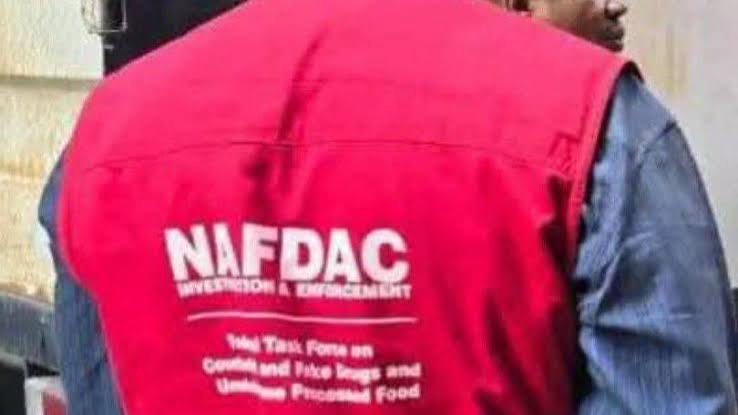
NECA argued that extending the proposed framework to tobacco products would conflict with the National Tobacco Control Act, 2015, the National Tobacco Control Regulations, 2019, and the SON Act, 2015. It warned that the move could create overlapping responsibilities among the National Agency for Food and Drug Administration and Control, the Federal Ministry of Health and Social Welfare, SON and the Nigeria Customs Service.
According to the association, the proposed arrangement could lead to multiple registration requirements, duplicate approvals, conflicting enforcement decisions, higher compliance costs and uncertainty for businesses. It also argued that tobacco products belong to a distinct regulatory category and should not be treated as food or medicines under the new legislation.
NECA further raised concerns about provisions granting additional powers over product registration, suspension, seizure, factory operations and enforcement. It warned that the proposed ceiling-list mechanism could give NAFDAC excessive discretion to restrict products without sufficient statutory safeguards. The association called for tobacco products to be excluded from the bill and for clearer coordination among existing regulatory agencies.
The Federal Ministry of Health and Social Welfare also expressed reservations at a public hearing, with its representative, Dr Adebisi Adegoke, warning about possible regulatory conflicts and overlapping mandates. The ministry recommended deferring consideration of the bill to allow further consultations. SON similarly argued that some provisions could conflict with its statutory responsibilities and called for a more comprehensive review.
Tobacco industry operators also opposed the proposed additional regulatory layer, arguing that manufacturing, importation, distribution, packaging, health warnings and product standards were already subject to extensive controls. They warned that duplicate approval systems could increase administrative costs, disrupt operations and discourage investment, urging lawmakers to ensure the proposed legislation complements existing tobacco-control laws while protecting public health.