

Nigeria’s headline inflation rate fell to 15.43 per cent in July 2026, down from 15.91 per cent in June, according to the latest Consumer Price Index report released by the National Bureau of Statistics.
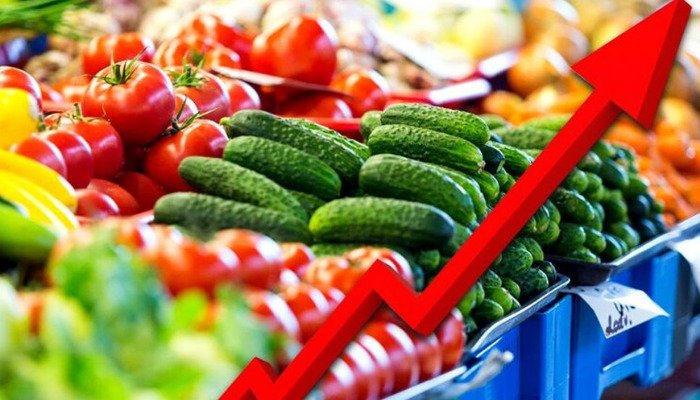
Despite the overall decline, food prices recorded renewed pressure, with month-on-month food inflation rising sharply to 5.56 per cent in July from 3.75 per cent in June. The 1.82 percentage-point increase was driven by higher prices of items including crayfish, pepper, onions, carrots, rice, tomatoes, garri, plantain, beef, eggs and ginger.
On a year-on-year basis, however, food inflation moderated considerably to 20.31 per cent, compared with 26.20 per cent recorded in July 2025. The figures suggest that while annual food price pressures have eased, households experienced a faster increase in food costs during July.
Core inflation, which excludes volatile agricultural products and energy, also declined, falling to 14.97 per cent year-on-year in July from 23.95 per cent a year earlier. On a monthly basis, core inflation slowed to 0.15 per cent from 1.66 per cent in June.
The Consumer Price Index rose to 145.3 points in July from 143.0 points in June, representing a 2.2-point increase. Meanwhile, monthly headline inflation eased to 1.57 per cent from 1.66 per cent, indicating that the overall pace of price increases was slower than in June.
Food price pressures varied significantly across states. Adamawa recorded the highest annual food inflation at 51.36 per cent, followed by Katsina at 30.84 per cent and Zamfara at 30.65 per cent. On a monthly basis, Adamawa, Lagos and Borno recorded the highest increases, at 17.02 per cent, 13.48 per cent and 13.26 per cent respectively.
The figures point to a mixed inflation picture for Nigerian households: the broader pace of price increases is slowing, but food costs remain volatile and continue to exert pressure on consumers. The development comes as the Federal Government and monetary authorities continue efforts to bring inflation under control following the sharp price increases associated with economic reforms introduced since 2023.