
The Lagos State Government is planning to construct Material Recovery Facilities (MRFs) in Erekiti, Badagry, and Agbowa, Ikorodu, as part of efforts to improve waste management and increase recycling.
Permanent Secretary, Office of Drainage Services, Mobolaji Gaji, disclosed this on Thursday during a stakeholders’ meeting in Alausa.
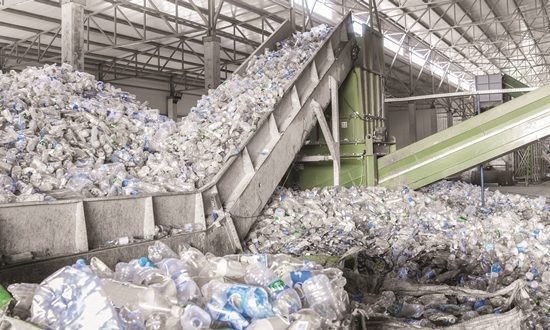
Lagos generates more than 13,000 tonnes of municipal waste daily, according to the government, putting pressure on the state’s existing waste disposal system. The proposed facilities are expected to receive, sort and recover materials such as plastics, metals, paper and organic waste for recycling and reuse.
Government officials said the initiative is intended to move Lagos away from a landfill-dependent system towards a circular economy, where waste is treated as a resource that can generate jobs and economic value.
Managing Director of the Lagos Waste Management Authority (LAWMA), Muyiwa Gbadegesin, said the two facilities could create about 5,000 direct and indirect jobs.
The opportunities are expected to cover plant operations, equipment maintenance, environmental monitoring, security, cleaning and materials handling, with particular attention to youths and women in host communities. The government also promised to provide infrastructure such as access roads, drainage, power and water around the facilities.
Gaji stressed that the proposed sites would not be conventional dumpsites, but enclosed and environmentally controlled facilities. Project proponents said the facilities would include measures such as odour extraction, leachate management, storm-water separation, fire protection and controlled truck movement.
They added that open burning, uncontrolled dumping and unsafe waste picking would not be permitted.
Engineer Francis Akoto, representing Zoomlion Nigeria Ltd., said each location would include a Material Recovery Facility and a Transfer Loading Station, with a combined processing capacity of about 2,400 tonnes per day. Organic waste would be processed into compost, while plastics and metals would be recovered for recycling.
The government and project developers said host communities would have representation through liaison committees and access to grievance-resolution mechanisms.
Zoomlion’s Managing Director, Habiba Abubakar, also offered to take community representatives to existing facilities so they could inspect the company’s operations before the Lagos projects are implemented.
The stakeholder engagement is expected to continue as the government seeks the cooperation of landowners, traditional rulers, youth groups and residents in Badagry and Ikorodu.