
The Federal Government has dismissed claims that President Bola Tinubu’s administration has borrowed about ₦80 trillion, saying the figures circulating in the public space misrepresent Nigeria’s actual debt position.
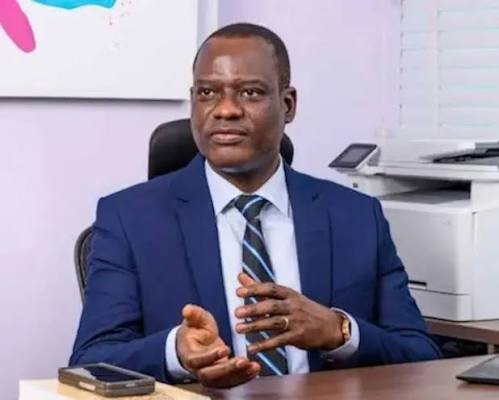
Minister of Finance and Coordinating Minister of the Economy, Taiwo Oyedele, made the clarification during an interactive session with the Senate Committee on Finance, explaining that many Nigerians confuse approved borrowing limits with funds already accessed by the government.
According to him, the current administration has not drawn even half of the external loans approved by the National Assembly under the Medium-Term Expenditure Framework. He stressed that parliamentary approval only authorises borrowing up to a specified limit and does not mean the funds have been accessed.
Oyedele said the increase in Nigeria’s debt stock was largely driven by the revaluation of foreign debts following the depreciation of the naira and the securitisation of Ways and Means advances inherited from the previous administration. He noted that these accounting adjustments added more than ₦70 trillion to the public debt profile without representing fresh borrowing.
He also explained that much of the government’s domestic borrowing involves refinancing existing debts that have matured rather than taking on new obligations. He maintained that every borrowing undertaken by the Tinubu administration complies with the Fiscal Responsibility Act, which limits borrowing to capital projects and human development.
The minister said improved revenue generation by agencies such as the Nigeria Revenue Service and the Nigeria Customs Service does not eliminate the need for borrowing where government expenditure exceeds projected income. He added that rising debt servicing costs, the implementation of the new minimum wage and interventions such as the student loan programme have increased government spending.
Highlighting the administration’s economic performance, Oyedele said Nigeria’s GDP grew by 3.8 per cent in the first quarter of 2026, while tax revenue reached ₦21.6 trillion in the first half of the year, with non-oil taxes accounting for 76 per cent of collections. He added that external reserves have risen above $51 billion, their highest level in 17 years, while inflation has started showing signs of easing.
The Senate Committee on Finance commended the minister’s presentation and called for greater transparency on Nigeria’s debt profile. Both the committee and the Finance Ministry agreed to pursue reforms that would improve budget implementation, strengthen fiscal discipline and ensure better coordination of economic policies.