

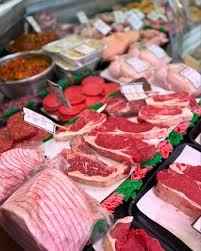
Nigeria is positioning itself to tap into the global halal meat industry, valued at over $2 trillion, as it seeks to leverage its large livestock population, strengthen certification systems, and attract structured investments into its animal protein value chain.
The move comes amid rising global demand for halal products, driven by a growing Muslim population and increased consumer focus on quality, traceability, and ethical food production across international markets.
According to IndexBox projections, Asia alone could account for up to $1.1 trillion of the halal food market, with demand expanding beyond meat into processed foods, pharmaceuticals, and specialty ingredients, underscoring the scale of opportunity for exporting countries.
Dr. Maiyaki Sani, Head of Operations at Dar Al Halal Certification, said Nigeria has a strategic advantage in supplying key halal markets such as Saudi Arabia, the UAE, Qatar, Malaysia, and Indonesia, if it meets global compliance standards.
He explained that strict halal requirements now go beyond slaughter methods to include animal welfare, processing integrity, and full supply chain traceability, as importing countries tighten regulations and enforcement.
Sani added that certification integrity and branding are now key competitive factors, especially as global consumers demand transparency amid rising concerns over food fraud and contamination.
In Nigeria, the livestock sector is estimated to exceed 200 million animals, with annual meat consumption of about 1.5 million metric tons, making it one of Africa’s largest animal protein markets with significant export potential.
Recent investment initiatives under the African Pastoral Markets Development platform have also begun unlocking structured deals, with about ₦3.7 billion in commitments and new supply agreements aimed at improving production, processing, and export readiness across the livestock value chain.