
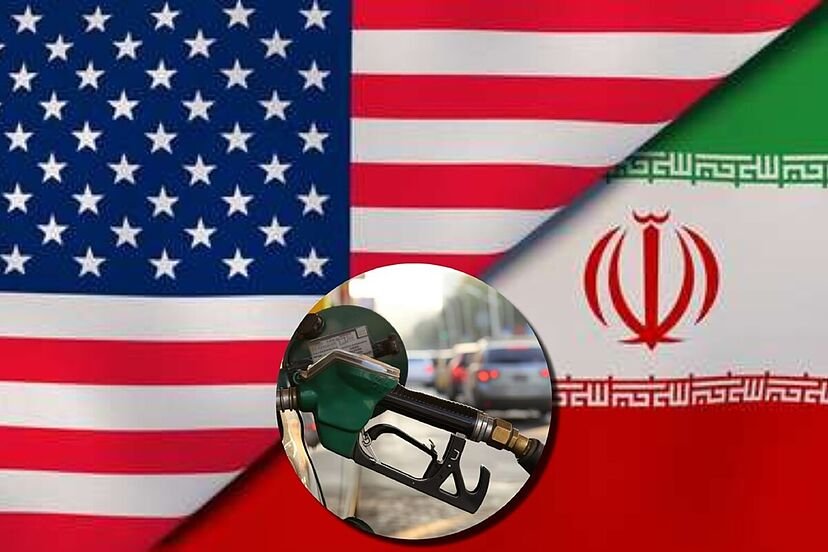
Energy analysts and downstream operators have warned that Nigeria may face another round of petrol and diesel price increases if global crude oil prices continue to climb amid escalating tensions between the United States and Iran. The renewed hostilities in the Middle East have already triggered volatility in the international oil market, raising concerns about the stability of domestic fuel pricing.
Petrol currently sells between N824 and N880 per litre across major Nigerian cities, depending on location and logistics. This follows a recent price adjustment by the Dangote Petroleum Refinery, which reduced its ex-depot price from N799 to N774 per litre. Despite local refining efforts, experts say Nigeria remains exposed to global oil shocks.
Over the weekend, crude oil prices jumped by about 10 per cent after reports that tanker movements near the strategic Strait of Hormuz were disrupted due to rising military tensions. Brent crude traded around $72 per barrel, while analysts warned that sustained conflict could push prices toward the $90 mark or higher.
Kelvin Emmanuel, Chief Executive Officer of Dairy Hills, said Nigeria’s vulnerability stems from the Dangote refinery’s heavy reliance on imported crude. According to him, a significant portion of its monthly crude supply is sourced from abroad, meaning any global price spike would directly affect refining costs and ultimately pump prices.
Similarly, Olatide Jeremiah, CEO of Petroleumprice.ng, noted that although Nigeria is Africa’s largest oil producer, more than 60 per cent of crude processed by the Dangote refinery is imported, while a sizeable share of refined products consumed locally is still sourced from abroad. He warned that as long as foreign crude dominates supply, domestic fuel prices will remain sensitive to international market swings.
Energy law expert Dayo Ayoade added that with fuel subsidies removed, Nigeria can no longer shield consumers from global price fluctuations. He explained that oil prices are driven by supply and demand dynamics, and any perceived threat to key transit routes like the Strait of Hormuz naturally drives up prices due to risk premiums.
While some analysts, including petroleum economist Wumi Iledare, urged caution against panic, they acknowledged that geopolitical tensions often introduce temporary price spikes. Marketers under the Independent Petroleum Marketers Association of Nigeria said they are closely monitoring developments, assuring consumers of continued supply but admitting that any sustained global increase in crude prices would inevitably reflect at the pump.