

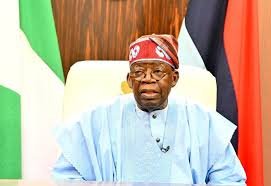
State governments have thrown their weight behind President Bola Tinubu’s recent directive mandating the direct remittance of oil and gas revenues into the Federation Account, arguing that the policy is more about constitutional order than a financial windfall.
The Chairman of the Forum of State Commissioners of Finance, Akintunde Oyebode, said the expected inflow from the directive would amount to about N1.5tn, drawn from management fees, frontier exploration funds and gas flaring penalties. He noted that while the figure may appear significant, it represents only a small fraction of the more than N30tn that flows into the Federation Account annually.
According to him, the real issue is enforcing the constitutional requirement that all revenues due to the federation be properly paid into the common pool before any deductions or spending. He maintained that public discourse should centre on protecting federation revenues and blocking leakages rather than framing the policy as a move to boost states’ earnings.
The executive order, signed in February 2026, has generated controversy within the petroleum sector, with labour groups warning it could unsettle operations and discourage investors. However, Oyebode dismissed fears that it would materially weaken NNPC Limited, arguing that the sums involved are relatively small when compared with the company’s reported revenue and profit levels.
He further pointed to what he described as deeper structural concerns in the oil and gas sector, especially a sharp drop in joint venture contributions following reforms under the Petroleum Industry Act. In his view, those revenue declines pose a more substantial challenge to federation earnings than the adjustments introduced by the new directive.
Addressing concerns about legality and investor confidence, Oyebode said any disagreements over the order’s interpretation should be resolved by the courts, while stakeholders await detailed implementation guidelines.
He also defended states’ fiscal practices, insisting that subnational governments are improving transparency and reducing domestic debt, with borrowing largely tied to capital and development projects rather than recurrent spending.