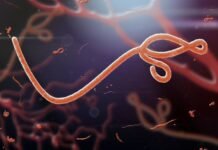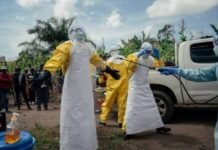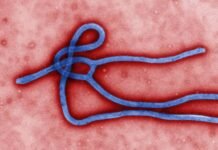

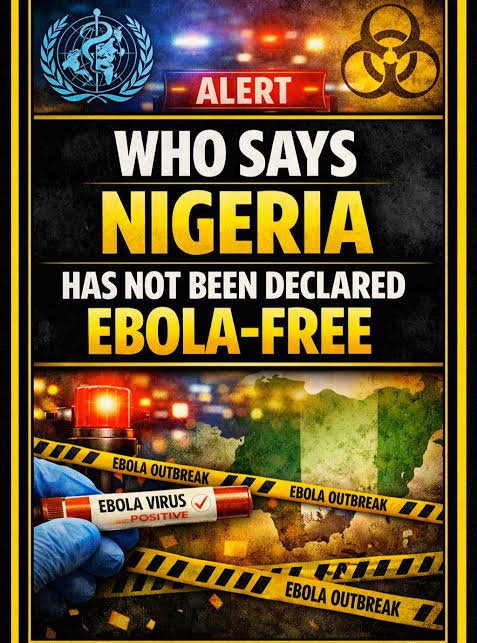
The Federal Government has declared Nigeria free of Ebola after more than 21 days without a new confirmed case. However, it has warned that high healthcare costs, limited health insurance coverage and poor implementation of reforms continue to affect healthcare delivery. The government also disclosed that 10 states scored below 40 per cent in implementing resolutions of the National Council on Health.
The Permanent Secretary of the Federal Ministry of Health and Social Welfare, Daju Kachollom, made this known on Thursday in Abuja at the 10th Annual Conference of the Association of Nigerian Health Journalists. She commended journalists for helping to communicate public health information during the Ebola outbreak but warned against publishing unverified reports and sensational headlines that could cause panic or discourage people from seeking medical care.
Kachollom said 12 of the 13 indicators tracked under the Nigeria Health Sector Renewal Investment Initiative had improved, while all 41 presidential commitments on health reforms had been achieved.
She disclosed that 3,526 primary healthcare centres had been revitalised, with another 900 undergoing rehabilitation. Skilled deliveries rose from 4.8 million in 2023 to 7.9 million by mid-2026, while maternal and newborn deaths fell by 17 and 12 per cent respectively between 2023 and 2025 in 172 local government areas.
She added that 100 million children had received measles and rubella vaccines, while more than 17 million girls had been vaccinated against HPV. Health insurance enrolment increased from about 16 million to nearly 24 million, while state health budgets rose from ₦1.97tn in 2023 to more than ₦3.3tn in 2026. The government had also commissioned 10 factories and manufacturing lines to boost local production of medicines, diagnostic products, mosquito nets and medical oxygen.
Despite these gains, Kachollom said the ministry received only 412 of the 740 reports expected from states on resolutions reached at the previous National Council on Health meeting.
Ten states recorded implementation scores below 40 per cent. She also noted that insurance coverage reached only about one in 10 Nigerians, while uneven distribution of health workers and childhood malnutrition remained major concerns, with about four in 10 children under five affected by stunting.
The permanent secretary urged journalists to visit health facilities and independently assess whether government investments were improving healthcare services.
Other speakers, including Victoria Igbinomwanhia of the Institute of Human Virology Nigeria and Khadija Bobboyi of the Africa Health Budget Network, called for stronger collaboration, evidence-based reporting, greater domestic health investment and budget accountability.
Nigerian Cancer Society President Prof. Abidemi Omonisi also urged increased funding for cancer prevention, screening, diagnosis, treatment and palliative care.
Earlier, ANHeJ President Joseph Kadiri said health sector reforms should be measured by improvements in healthcare access, affordable medicines, functional primary healthcare centres and reductions in maternal and child deaths.
He urged journalists to track public spending, ask difficult questions and amplify the concerns of vulnerable communities. Kadiri added that the association would continue working with relevant health sector bodies to monitor interventions through visits to states and health facilities.