
The Nigeria Association of the Blind (NAB), Lagos State Chapter, has urged the Lagos State Government to enforce disability laws and make roads, pedestrian crossings, public transport and buildings safer for visually impaired persons. The association said poor accessibility, employment barriers and discrimination in housing continued to limit the independence and participation of blind people.
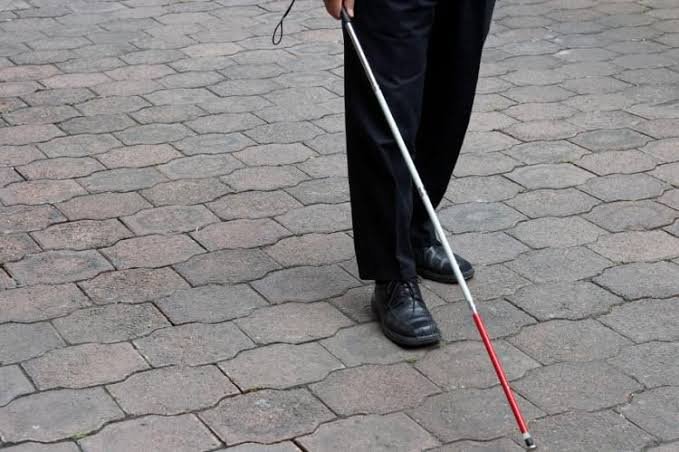
The association’s chairman, Kazeem Babatunde Safiu, made the appeal during the International White Cane and Safety Day celebration in Lagos, themed “White Cane: Navigating Without Limits.” Observed globally on October 15, the event raises awareness about the white cane as a mobility aid that helps visually impaired people navigate their surroundings safely and independently.
Safiu urged families to support and educate visually impaired relatives rather than keep them at home. He explained that with proper training and mobility aids, blind people could move around with minimal assistance and contribute meaningfully to society.
The Chairman of the association’s Planning and Organising Committee, Adeola Aina, said blind people still faced limited employment opportunities, inadequate access to skills training and insufficient funding for their activities. He called on the state government to move beyond public awareness campaigns and enforce existing disability laws to hold offenders accountable.
Aina identified open drainage channels as a major danger to visually impaired pedestrians. He also highlighted discrimination in transport and housing, alleging that some motorists avoided picking up blind passengers because of assumptions about their ability to pay fares, while some landlords refused to rent houses to them over concerns about rent payments.
Meanwhile, Dufil Prima Foods pledged continued support for the association, announcing a ₦3m cash donation and other assistance, bringing its total contribution to this year’s activities to nearly ₦10m. The company’s representative, Temitope Ashiwaju, said its support for people with visual impairments had continued for about 15 years and was intended to promote inclusion and independence.
The association also acknowledged support from organisations, including the Lagos State Office for Disability Affairs, and corporate partners providing mobility aids and employment opportunities. Safiu called for stronger collaboration among government, businesses and civil society, urging authorities to improve accessibility in public spaces and enforce disability protections so visually impaired people could move safely and participate fully in society.