
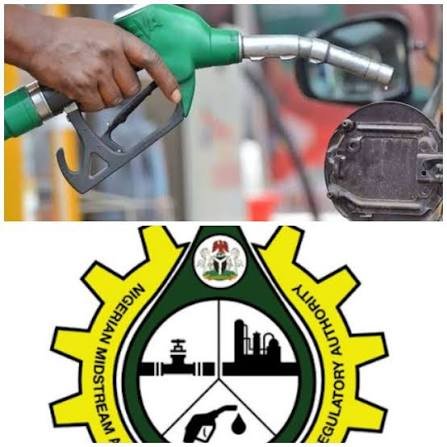
The Nigerian Midstream and Downstream Petroleum Regulatory Authority has ordered filling station operators nationwide to recalibrate and verify their dispensing equipment amid concerns over petrol under-dispensing.
The regulator said it had observed incidents of outlets delivering less petrol than customers paid for, describing the practice as a serious breach of consumer trust. It warned that persistent or serious violations could lead to sanctions, including revocation of operating licences.
The directive has prompted petroleum marketers to intensify checks on their dispensing equipment. IPMAN Publicity Secretary Chinedu Ukadike said the association had circulated the notice to members, while acknowledging that under-dispensing could result from pump attendants’ sharp practices or faulty equipment.
PETROAN President Billy Gillis-Harry said the association convened an emergency meeting after receiving the NMDPRA directive and instructed members to inspect their meters. He explained that prolonged use could cause equipment faults and advised motorists to monitor dispenser readings, check their vehicles’ fuel capacities and request receipts.
The NMDPRA has previously sealed filling stations over under-dispensing and other regulatory breaches. In February, it shut 11 stations in Rivers State under its “Operation One Litre for One Litre” initiative, while two outlets in Ogun State were sealed in July over under-dispensing and other infractions.
Earlier enforcement actions also affected five stations in Akwa Ibom State in October 2025, while NNPC Retail sanctioned employees at its Ikorodu, Lagos, station after an investigation confirmed an incident involving an attendant who allegedly attempted to short-change a customer.
The latest directive requires industry groups including IPMAN, PETROAN, the Major Energy Marketers Association of Nigeria and the Depot and Petroleum Products Marketers Association of Nigeria to notify their members and support compliance. NMDPRA said the intensified inspections were aimed at protecting consumers, improving transparency and ensuring motorists receive the quantity of petroleum products for which they pay.