
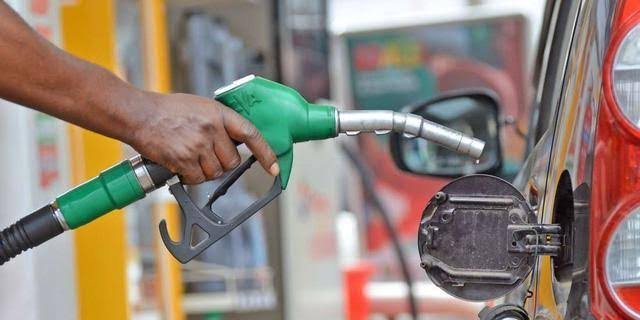
Petrol prices have risen sharply across Nigeria, reaching as high as N1,500 per litre in Kano, Yobe, Sokoto, Borno, Taraba and Zamfara states, amid concerns over the impact of rising international crude oil prices.
The Nigeria Labour Congress has urged the Federal Government to introduce measures to cushion the effect on households and businesses. NLC President Joe Ajaero called for reasonable wage awards, increased crude oil sales to local refineries in naira and expanded national petroleum storage capacity.
The price increases varied across states, with petrol selling between N1,430 and N1,520 per litre in several northern cities. In Kano, tricycle operators increased fares by about 50 per cent, while motorists in Kaduna, Benue, Kogi, Plateau, Bauchi and Adamawa also reported higher pump prices.
In parts of the South, petrol sold for about N1,400 in Rivers and Bayelsa, N1,350 to N1,440 in Abia and around N1,400 in Delta. Prices in Ekiti, Edo and Kwara ranged from about N1,379 to N1,450, while black-market prices in some locations were significantly higher.
The NLC linked the latest surge to renewed conflict in the Gulf and argued that Nigeria, as an oil-producing country, should have a buffer against international energy shocks. The union also said higher crude prices had increased government revenue and called for emergency intervention, including subsidies where necessary.
Fuel marketers similarly warned that petrol could reach N2,000 per litre if international crude prices continued rising. Their concerns followed Dangote Petroleum Refinery’s increase in its gantry price from N1,265 to N1,350 per litre on September 12, its fourth upward adjustment since August 21, raising the price by N185, or 15.9 per cent, in 22 days.
The latest increases come under Nigeria’s deregulated downstream petroleum market, where crude prices, foreign exchange, logistics and supply costs influence pump prices. The NLC urged the government to act quickly, while marketers called for measures including cheaper crude supplies to domestic refineries and reductions in relevant taxes and distribution charges.